Affordable Fence Replacement: Restore Your Outdoor Space Today
Cost-effective fence replacement is essential for enhancing outdoor spaces while preserving property value. Many homeowners tend to underestimate the advantages of prompt fence replacements. By selecting appropriate materials and approaches, homeowners can attain both visual appeal and safety without overspending. Knowing the alternatives at hand is key. What are the best choices for budget-conscious homeowners? The results might reveal unanticipated possibilities.
Assessing Your Fencing Needs
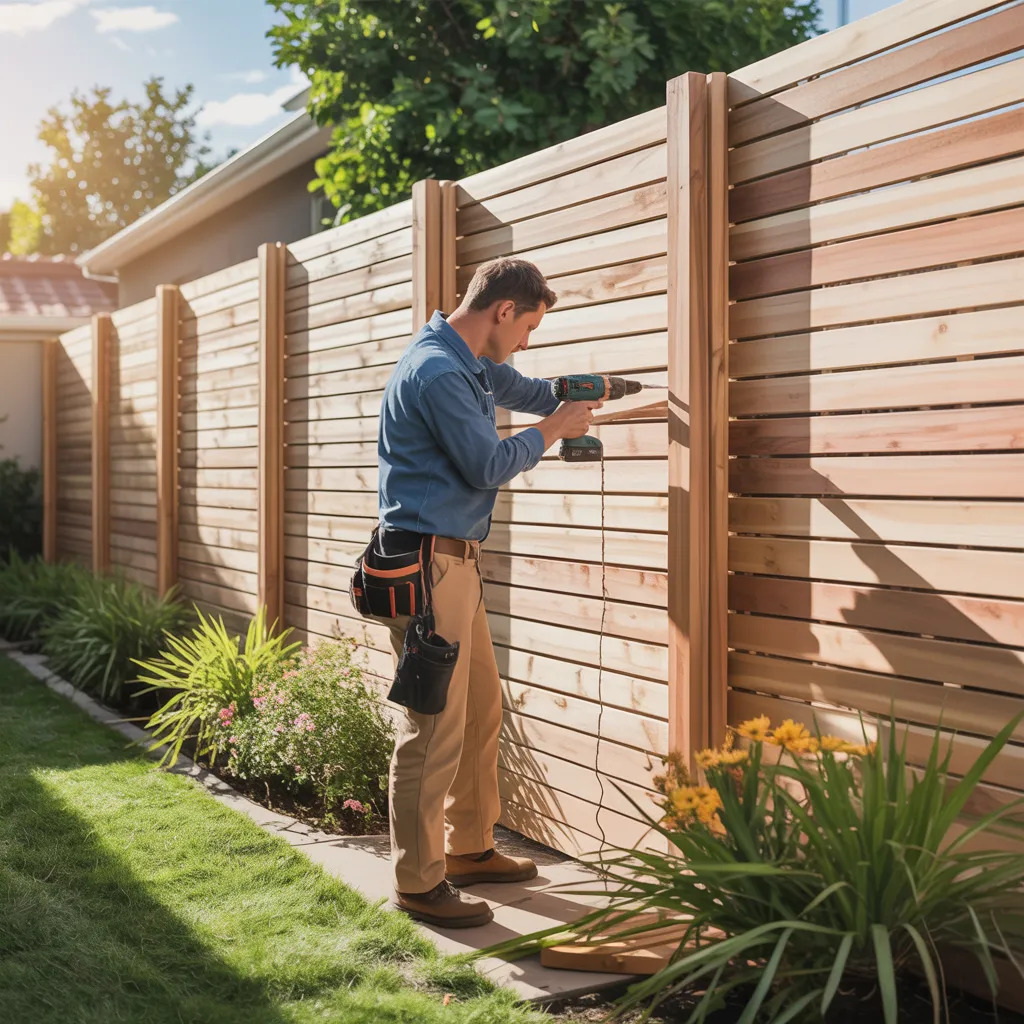
How can one determine the best approach to fence replacement? The process begins with a detailed inspection of existing fence conditions. This includes examining rot, decay, or damage, as well as evaluating the general appearance and functionality of the fence in place. Homeowners should also consider the fence's intended purpose—whether for security, privacy, or defining property boundaries. Next, it's essential to determine the dimensions of the area requiring fencing, guaranteeing precise measurements for choosing materials. Budget constraints play a pivotal role; understanding the financial implications of various materials, such as wood, vinyl, or metal, supports sound decision-making. Furthermore, neighborhood aesthetics and local zoning regulations should be considered as part of the process. By prioritizing these elements, homeowners can successfully determine the ideal fencing choice customized to individual requirements, paving the way for a successful replacement project.
Why Budget-Friendly Fence Replacement Is Essential for Homeowners
Although many property owners tend to underestimate the value of cost-effective fence replacement, it is a key factor in maintaining property value and security. A properly kept fence not only improves the visual appeal of a home but also serves as a defensive shield against trespassers and stray animals. As time passes, gradual deterioration can undermine a fence's performance, making swift replacement an important consideration.
Budget-friendly solutions allow homeowners to restore their fences without breaking the bank. This financial commitment not only strengthens protection but also greatly improves curb appeal, which can attract prospective purchasers in the future. Additionally, a freshly installed fence can establish clear property lines, reducing disagreements with neighboring residents. As outdoor spaces grow more valuable for unwinding and outdoor activities, a sturdy and attractive fence elevates these environments, making them increasingly welcoming. Ultimately, budget-conscious fence installation is a wise investment for homeowners seeking to protect and improve their property.
Discover Budget-Friendly Fencing Materials
Investigating economical fencing materials can greatly benefit a homeowner's opportunity to maintain both visual appeal and practicality. Solutions such as vinyl, chain link, and pressure-treated wood deliver practical solutions without overspending. Vinyl as a fencing material offers durability with minimal upkeep, making it a long-term investment. Chain link, while often seen as utilitarian, can be enhanced with vinyl coatings or slats to enhance appearance and privacy. Pressure-treated lumber delivers a classic look and can be customized with stains or paints, affording homeowners design versatility.
For those seeking eco-friendly alternatives, bamboo and recycled plastic fencing are increasingly popular. These options not only minimize ecological footprint but also offer distinctive aesthetic qualities. By carefully considering these budget-friendly options, homeowners can find fencing solutions that enhance their outdoor spaces while remaining cost-effective. In the end, the ideal selection will harmonize aesthetics, longevity, and cost-efficiency, guaranteeing contentment for the foreseeable future.
How to Find the Best Fence for Your Budget
When selecting a fence that fits within budget limitations, examining specific needs is important. This entails considering factors such as function, setting, and visual appeal. Subsequently, examining a range of materials can uncover cost-effective options that address those requirements successfully.
Assess Your Needs First
How can one effectively determine the right fence for their price range? Initially, it is essential to evaluate specific needs, such as aesthetics, privacy, and security requirements. Determining the key objective of the fence will guide choices and help narrow down options. Next, examining the size of the area to be fenced is crucial, as this will affect material and labor costs. Moreover, considering local zoning regulations and homeowner association guidelines can prevent costly surprises later. Lastly, defining a clear budget early on will facilitate more efficient choices, allowing for a better-targeted choice of materials and styles. By carefully considering these factors, one can make informed choices that suit their budgetary limitations while fulfilling their fencing requirements.
Explore Material Options Smartly
Choosing the best fencing option for a budget calls for thorough evaluation of various options currently available. Homebuyers often weigh affordability against long-term performance, visual appeal, and maintenance costs. Wooden fencing offer a timeless appearance but may require regular upkeep, while vinyl materials offers a low-maintenance alternative at a greater upfront investment. Metal fencing choices, such as chain-link or wrought iron, offer lasting strength and safety, though they tend to fluctuate widely in overall expense. Composite options merge the aesthetics of wood with the resilience of synthetic options, making them a practical selection. In the end, evaluating each option's durability, installation fees, and maintenance requirements will guide homeowners toward a choice that harmonizes quality with budget requirements, ensuring a satisfying outdoor investment.
Cost-Cutting DIY Fence Installation Tips
When considering a DIY fencing project, selecting affordable materials can considerably influence total expenses. Careful planning of the layout also works to minimize unnecessary waste and maximize efficiency. Furthermore, leveraging available online resources can deliver useful advice and insights, additionally enriching the home improvement experience.
Select Budget-Friendly Materials Carefully
Although many homeowners believe that installing a quality fence necessitates significant spending, opting for cost-effective materials can significantly cut costs without diminishing quality. Options such as pressure-treated wood, vinyl, or chain-link fencing provide reliable choices at lower prices. Furthermore, considering recycled materials can provide distinctive visual appeal while remaining environmentally conscious and budget-friendly. Homeowners should also consider local suppliers, as they may offer discounts on bulk purchases. Choosing pre-fabricated panels can streamline the installation process and reduce labor expenses. Additionally, choosing low-maintenance materials can lead see the facts to significant savings over time. Through thoughtful consideration of these choices, homeowners can create an affordable and appealing fencing solution suited to their yards.
Organize Your Layout With Precision
A thoroughly planned approach is important for a successful DIY fence installation. Adequate preparation helps to eliminate unnecessary expenses and confirms that the fence fulfills its function. To begin, property boundaries should be properly identified to prevent disputes with neighbors. Next, precise measurement of the space is critical; this includes accounting for gates, slopes, and obstacles to assure functionality. It is recommended to sketch a detailed plan, indicating the positioning and design of the fence. This planning tool facilitates the estimation of required materials and associated costs. Moreover, taking local zoning ordinances into account can eliminate future problems. By taking the time to plan thoroughly, homeowners can streamline the installation process, improve the project's effectiveness, and maximize their budget.
Utilize Helpful Online Resources
After careful planning and layout design, homeowners can significantly gain from utilizing helpful online resources. Many platforms supply comprehensive guides and videos that make the DIY fence installation process easier. Websites dedicated to home improvement often provide step-by-step instructions, material lists, and cost estimators, allowing homeowners to budget effectively. Furthermore, social media groups and online forums deliver useful insights from knowledgeable DIYers who share advice and techniques to steer clear of common errors. Numerous manufacturers also offer detailed product specifications and installation manuals, ensuring that homeowners select the right materials for their projects. By taking advantage of these resources, individuals can enhance their knowledge and confidence, resulting in a successful and cost-effective fence replacement.
Smart Maintenance Strategies to Preserve Your Fence
Many homeowners look for budget-friendly care techniques to increase the longevity of their fences. Regular inspections are essential; spotting problems early on can avoid expensive fixes down the line. Homeowners ought to regularly clean their fences, eliminating dirt, mildew, and algae with a simple mixture of water and mild detergent. Doing so not only boosts curb appeal but also guards against deterioration.
Adding a sealant or protective coating on a regular basis can guard wood fences from moisture and UV damage, extending their lifespan. Additionally, pruning adjacent vegetation can limit the effects of moisture buildup and encroaching plant growth.
Utilizing appropriate hardware, such as rust-resistant nails and screws, can minimize corrosion and enhance durability. Furthermore, homeowners should consider re-staining or painting rather than full replacement, which is a cost-effective option. Applying these methods can effectively maintain fence integrity while reducing overall costs, making certain the outdoor space continues to feel inviting and protected.
Commonly Asked Questions
How Long Does the Fence Replacement Process Typically Take?
The process of replacing a fence typically takes anywhere from one to three days, depending on the scope of the project and the materials selected. Permit requirements and weather conditions may further impact the overall schedule.
Which Permits Are Necessary for Fence Replacement?
Typically, a fence replacement project requires permits from local building authorities, zoning approvals, and sometimes approval from the homeowners' association. Regulations vary by location, so homeowners should consult with local governing bodies before initiating the project.
Am I Able to Finance My Fence Replacement Project?
Yes, financing options are often available for fence replacement projects. Homeowners can explore personal loans, credit lines, or specific financing plans offered by contractors, enabling them to spread costs over time while improving their property.
Do Eco-Friendly Fencing Options Exist?
Yes, eco-friendly fencing options exist, including bamboo, recycled plastic, and reclaimed wood. These options offer sustainable alternatives that help reduce environmental impact, making them ideal for those looking to improve their outdoor space in a responsible and attractive way.
What Should I Look for When Choosing a Dependable Fencing Contractor?
To find a reliable fencing professional, you should look up online reviews, ask for references, check licenses and insurance, compare quotes, and assess communication skills to guarantee a trustworthy and professional collaboration during the project.